New Brunswick has the world’s densest cluster of certified dark sky sites in Canada. Find out where to stargaze, when to go, and what you need to bring to experience the province’s dark skies.
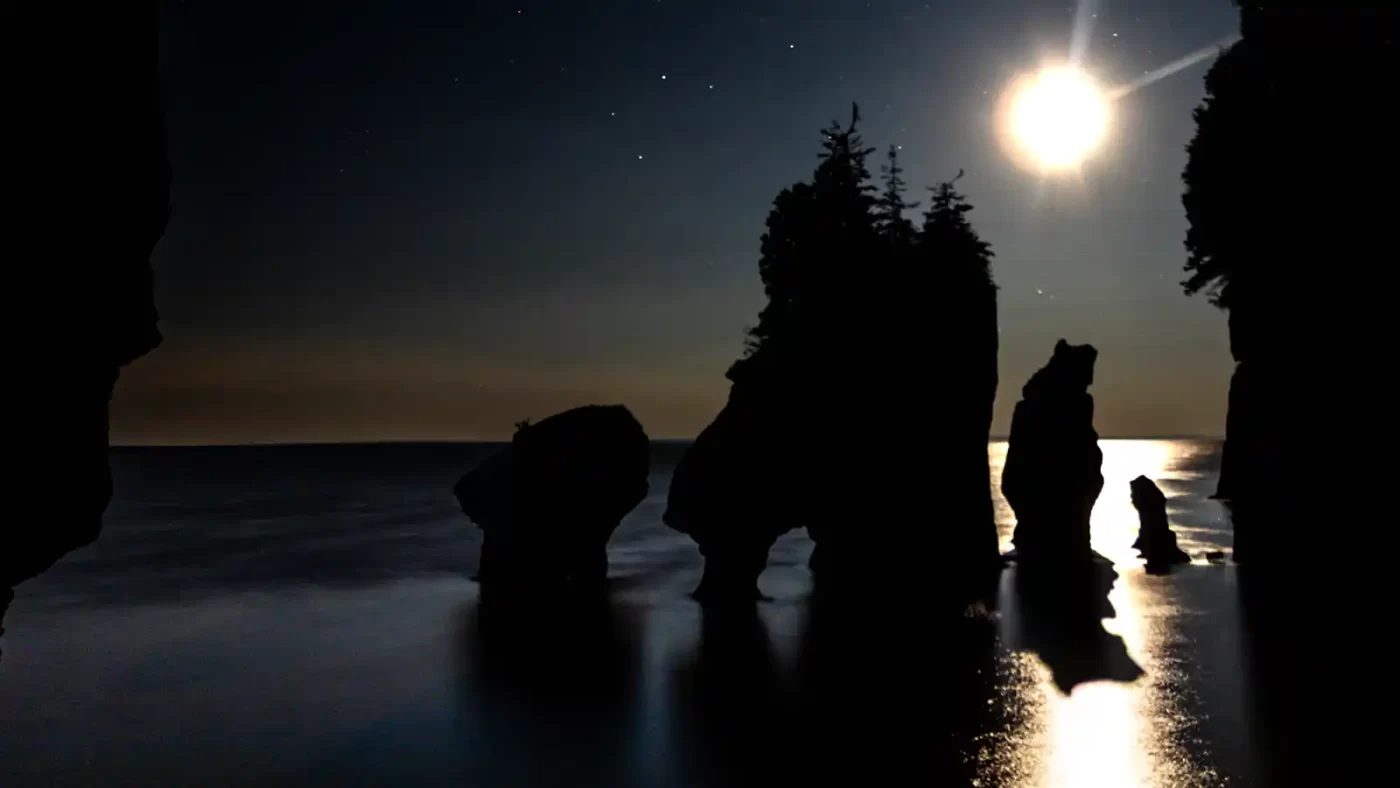
About an hour after the sun sinks below the horizon, my eyes begin to adjust. It’s at this moment that the sky stops being a backdrop and starts becoming a painting. Sitting with my son, Dylan, on the banks of the Petitcodiac River, I saw it too. A sprinkling of stars, more popping into view in the night sky with each passing second. We counted them together until there were more than we could put a number on.
We were about 30-minutes from downtown Moncton, the largest city in New Brunswick. Back home near Toronto, seeing this many stars so close to town would be impossible. Stéphane Picard, of Cliff Valley Astronomy, pointed his telescope up toward Saturn as he explained that much of the world has lost its intimacy with the night sky. As man-made lights and orbital satellites rapidly brighten our night skies, more than 80% of the North American population now live under so much light pollution that they can no longer see the Milky Way with the naked eye.
New Brunswick is fighting back. Picard, in partnership with the cities, lodges, and provincial and national parks in the province, has put together the densest concentration of certified dark sky sites in the world. Not just in Canada, but across the entire planet.
New Brunswick is unique among Canada’s provinces. More than 80% of the province is forested, and nearly anyone in the province can reach a genuinely dark sky within about fifteen minutes of driving in any direction. Four dark sky locations are currently certified, and the province is on track to roughly triple that number in the near future. These New Brunswick stargazing spots are anchored by a 220 km Bay of Fundy Dark Sky Corridor that is targeted for completion in 2027.
I have been chasing night skies for a long time. You can read my guide to the best places to see the Northern Lights in Canada here. I’ve stood under the aurora in Yellowknife, Northwest Territories, across Ontario, and within arm’s reach of polar bears in Churchill, Manitoba. I’ve even chased dark skies abroad in places like Tromso, Norway, Rovaniemi, Finland, and San Pedro de Atacama in Chile. Each one of those experiences required a commitment. A flight north, a long drive, a week of waiting for cloud cover to pass. New Brunswick is the first place where I could grab dinner downtown and then pop out to see the Milky Way an hour later.
The Astronomer Who Launched a Night Sky Revolution In New Brunswick
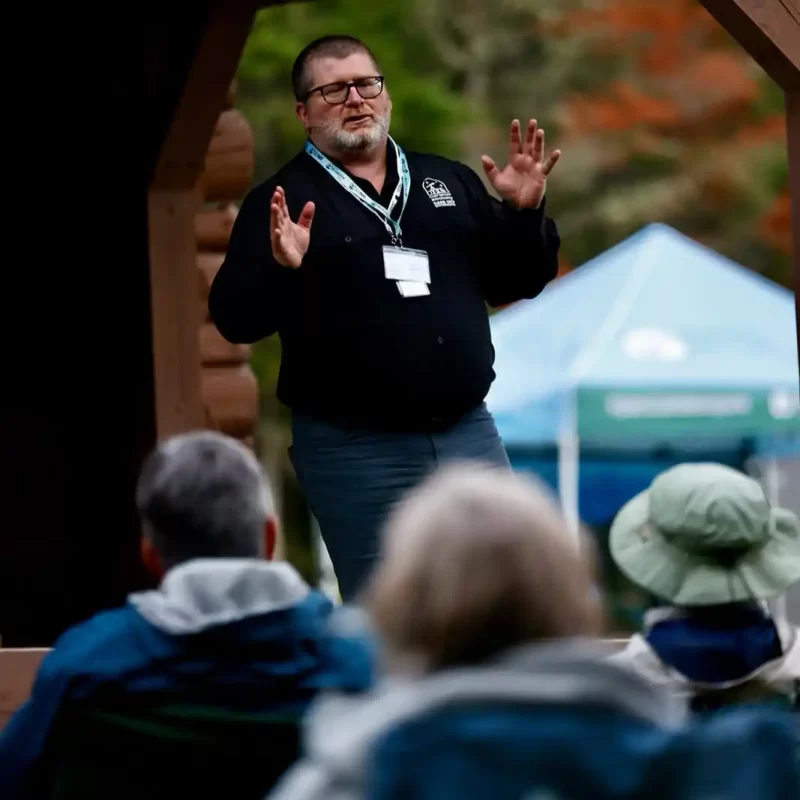
Cliff Valley Astronomy is named after a backyard. Stéphane Picard’s property sits on a cliff overlooking a valley, one with a clear and unobstructed view to the south, which is the part of the night sky where everything interesting happens. He started the company in late 2021, after spending nearly 25 years in marketing and sales.
Most astronomers get their business chops running star parties, a gathering of amateur and professional astronomers, enthusiasts, and the public to observe the night sky together using telescopes and binoculars. Picard looked at New Brunswick and saw an unmapped resource with next to no infrastructure and started building.
Today, Cliff Valley Astronomy is Canada’s only mobile dark sky tour company, with a roster of six astronomers covering Saint John, Fredericton, Moncton, Miramichi, Charlotte County, and the Acadian Peninsula. The company runs private star parties year-round. It consults for tourism operators and destination marketing organizations on dark sky certification, light pollution analysis, and experience development. And it is the driving force behind New Brunswick’s Bay of Fundy Dark Sky Corridor.
That line he gave us about intimacy stuck with me for months afterward. Long enough that I eventually went back and asked him to unpack it properly.
“Only a few generations ago, understanding the night sky was part of everyday life. People used the Sun to mark the hours, the Moon to follow the passing months, and constellations to recognize the changing seasons. Travellers and sailors relied on stars such as Polaris, located with the help of the Big Dipper, to navigate. Light pollution and modern technology have gradually replaced that knowledge. That is what I mean when I say we have lost our intimacy with the night sky. It was a relationship humanity once depended upon, understood deeply, and shared across generations.“
Stéphane Picard, Cliff Valley Astronomy
That is what inspired this massive undertaking. The belief that a dark sky is a resource in the same way that clean water or wood is a resource, and most of us have already lost access to it. New Brunswick has chosen to harness and grow that resource, and that alone is a reason worth travelling here for.
Dark Sky Destinations: How New Brunswick Launched Canada’s Astro-Lodging Network
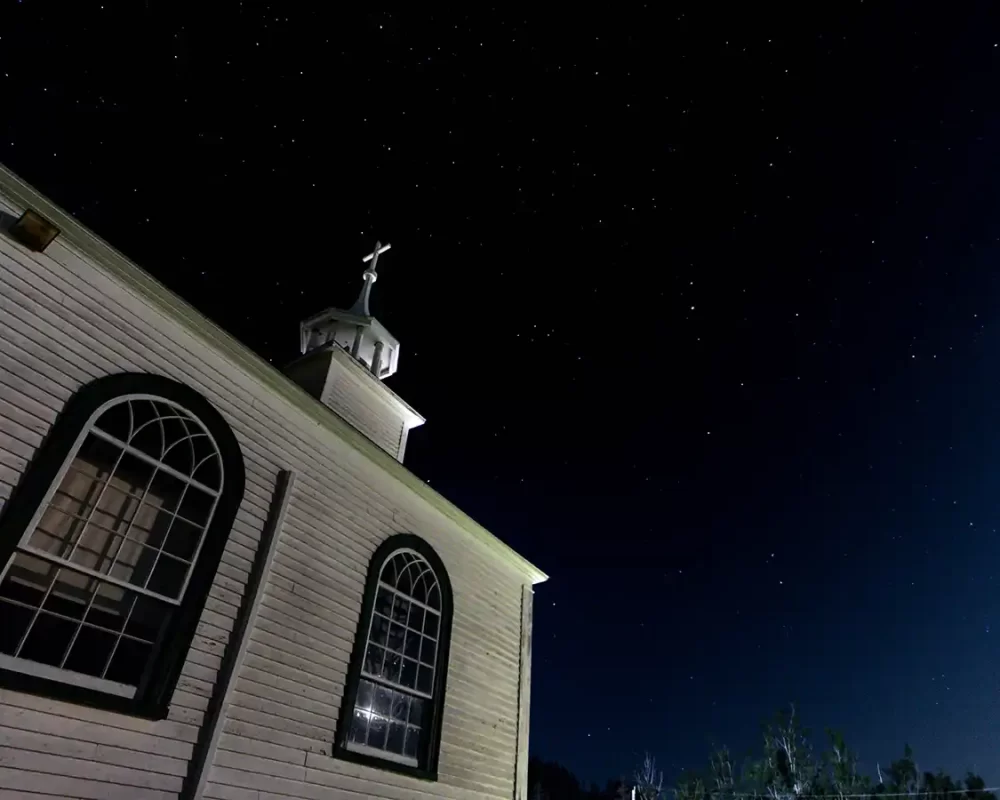
At the heart of New Brunswick’s dark sky tourism is its unique collection of dark sky lodging. Picard launched Dark Sky Destinations, touted as “Canada’s only astro-lodging network.” It was launched in 2023 with four lodging partners, three in New Brunswick and one in Nova Scotia. As of writing this, the network has welcomed its 71st partner, spread across seven provinces: New Brunswick, Nova Scotia, Ontario, Manitoba, Saskatchewan, Alberta, and British Columbia.
Rather than networking with astronomers across the country, which would limit their network to just four resorts, Dark Sky Destinations, the network has made use of Cliff Valley Astronomy’s proprietary self-guided stargazing system. Guests get the tools and information to explore the night sky for themselves. Each lodge provides binoculars at minimum, and a growing number are investing in traditional telescopes and the new generation of smart telescopes.
Most of these lodges sit under Bortle 4 skies or darker. Properties in brighter locations can still take part if a quality dark sky viewing area is within about fifteen minutes of the property. All of this means that someone can now plan an entire cross-Canada trip where they sleep under certified skies.
Imagine driving from the Bay of Fundy to the Rocky Mountains, sleeping under a blanket of stars every night.
There are around 50 accommodations in New Brunswick alone within the network. These include campgrounds, inns, lodges, cottages, vacation rentals, and provincial and national parks. But in the end, as Picard says, it’s all about the moment that a guest locates their first galaxy or constellation.
What Sleeping Under a Dark Sky Actually Does For Your Health
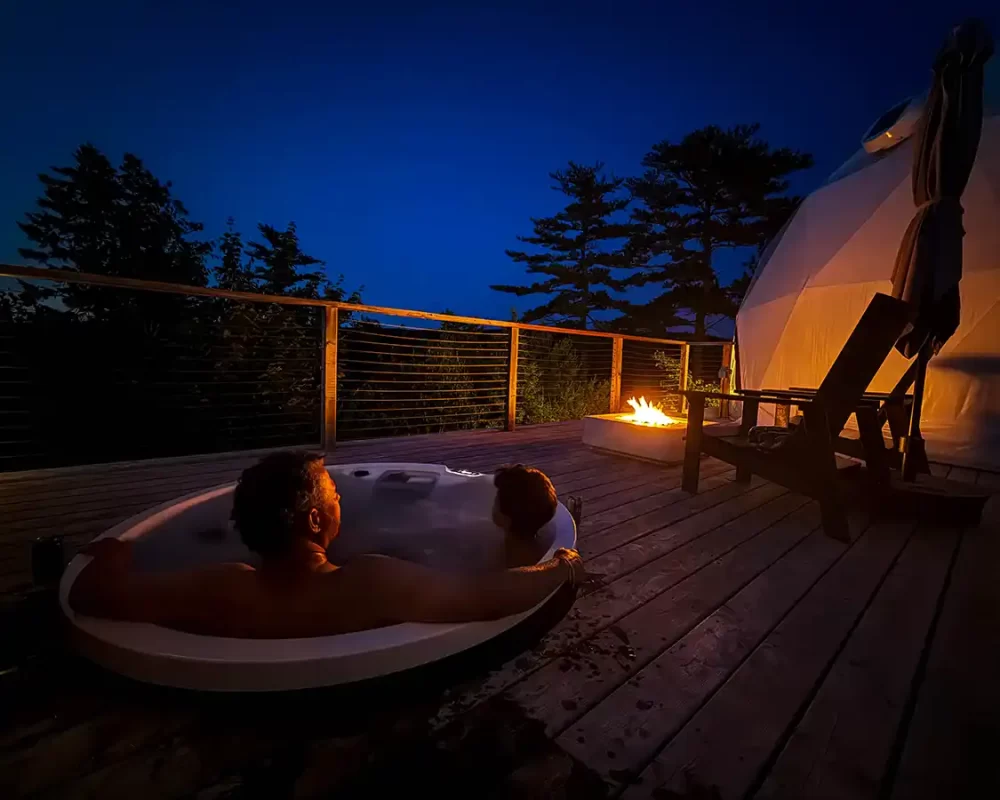
Just a few days before I was on the banks of the Petitcodiac with Stephane, Dylan and I were staying in a geodesic dome on a rocky escarpment in Nova Scotia’s Eastern Shore. It had a stargazing loft built into the top of the dome, a fire pit, and a hot tub on a private deck.
We ate lobster mac and cheese, then sat in the hot tub with the fire snapping beside us and watched the stars come out one at a time. Like Picard’s plan, nobody guided us. Nobody explained anything. We just stayed out long enough for our eyes to adjust and for the sky to sparkle.
Stargazing isn’t about owning the best equipment. It’s about being somewhere dark when the sky is clear and reconnecting with a universe whose scale is impossible to imagine. Any property that gets those things right, with or without a telescope, will give a family the night they came for.
Beyond that, there’s a wealth of well-being benefits. A study by South Africa’s Stellenbosch University found that, when humans look at something infinitely vast, it triggers a neurological shift known as the “small self ” phenomenon. Psychologist Dacher Keltner, in his research on awe, found that experiencing this emotion quiets our inner critic and regulates the nervous system. By making the observer feel small in a grand universe, daily stressors and personal anxieties suddenly shrink in significance.
My own experience with the night sky echoes that. There are feelings of awe, a connection with nature and the world around me, and a feeling of being grounded in the world that just can’t be matched by any other activity.
The Bay of Fundy Dark Sky Corridor
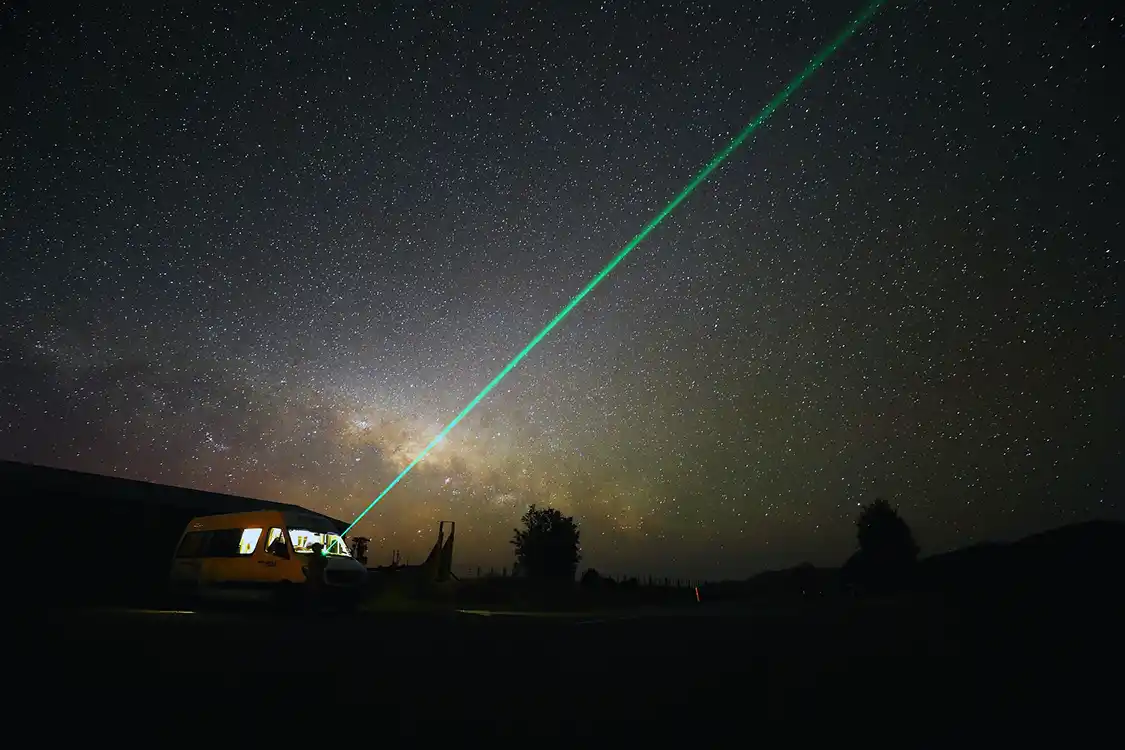
New Brunswick has been leading the charge on the international astrotourism map with the Bay of Fundy Dark Sky Corridor. By 2027, this corridor is expected to link eight certified dark sky sites along roughly 220 km (137 miles) of the Bay of Fundy coast, covering about 1,043 square kilometres. If all goes according to plan, it will be the highest density of certified dark sky sites anywhere in the world. The closest similar undertaking is underway in the United States with an astrotourism project along Route 89 that spans roughly 1,600 km. New Brunswick is proposing to do something comparable inside a stretch of province you could drive across in an afternoon.
At the heart of the project is Fundy National Park, Kouchibouguac National Park, Mount Carleton Provincial Park, and Irving Nature Park in Saint John. The corridor adds dark sky designations at New River Beach Provincial Park, Fundy Trail Provincial Park, Hopewell Rocks, and the community of Fundy-St. Martins itself.
Province-wide, Picard expects New Brunswick to grow from four certified dark sky locations to as many as twelve within the next year, spanning national parks, provincial parks, municipal parks, and entire communities.
Why Astrotourism Matters
Astrotourism is having a reckoning worldwide. For travellers, it offers a unique way of experiencing a destination. For local businesses, it’s a booming enterprise. Someone who travels to New Brunswick for the sky usually stays overnight, has meals, and explores the region during the day. And the time to experience dark sky tourism is in November and February, when most Canadian travel destinations struggle to fill hotel rooms.
“Astrotourism is slow tourism. It turns day-trippers into overnight guests, especially in the off-season.“
Micha Fardy, executive director, Friends of Fundy
The 2024 total solar eclipse, whose path of totality crossed parts of New Brunswick, generated close to $40 million in regional economic activity over a couple of days. That was just one afternoon of sky.
And the beautiful part, as Stéphane points out, is that almost nothing has to be built. The darkness is natural. What is needed is responsible outdoor lighting, thoughtful tourism development, and enough awareness that people understand the resource is worth protecting.
Canada’s First Indigenous Dark Sky Community
One of the biggest undertakings in New Brunswick astrotourism is taking place completely outside of the Fundy corridor. Neqotkuk (Tobique) First Nation, near Plaster Rock in the Wolastoq River valley, is on track to become Canada’s first Indigenous Dark Sky Community.
The Wolastoqiyik knowledge of the night sky predates every telescope in human history by thousands of years. This dark sky network is paving the way for an Indigenous community to be acknowledged as a steward of that sky. If you are planning a trip through New Brunswick, it’s worth planning your itinerary through the lens of Indigenous tourism experiences across Canada.
What is the Bortle Scale?
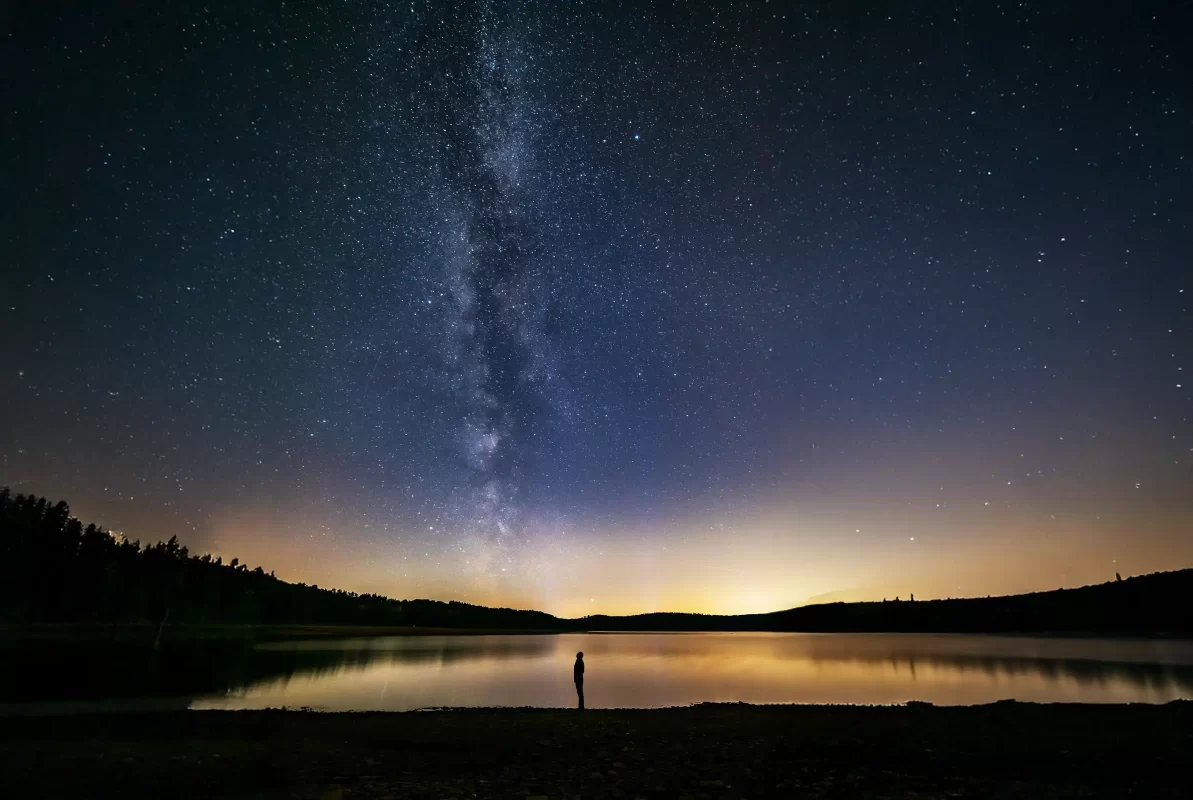
A few paragraphs ago I mentioned the Bortle Scale. That number is how dark skies get measured. Fundy-St. Martins sits around a two. Mount Carleton is around 3. In contrast, Toronto sits at 9 on the Bortle Scale. If you’re interested in dark sky tourism, and I assume you are since you’ve read this far, it’s worth two minutes of your time to understand what the Bortle Scale means.
Astronomers use the Bortle scale, which runs from 1 to 9, to measure how much light pollution affects the night sky. A Bortle 1 sky is the darkest on Earth, the kind you find in the middle of a remote desert or out on the ocean far from land. A Bortle 9 sky is what you’ll find in downtown Toronto or Vancouver. At a Bortle 9, the glow coming off the street lights, the buildings, and the cars erases everything except the moon, a couple of planets, and whichever stars are stubborn enough to punch through it.
The Bortle scale measures the difference between a night sky that looks like a foggy ceiling with a few bright dots and a night sky so crowded with stars that picking out the most famous constellations can be a challenge.
In a major metropolitan area such as Toronto, light pollution washes the night sky in an artificial glow, leaving mainly the brightest stars, planets, the Moon and Sun visible. In Fundy-St. Martins, the experience is dramatically different: hundreds, and often thousands, of stars can fill the sky alongside the Milky Way, auroras and brilliant meteor showers.
Stéphane Picard, Cliff Valley Astronomy
How New Brunswick Compares to the Rest of Canada
I won’t sit here and tell you that New Brunswick has more dark sky than the rest of Canada. The truth is, Canada has more dark sky than almost any country on Earth. Ontario alone has eight dark sky preserves, and I have written about all of them. Quebec has Mont-Mégantic, which was the world’s very first International Dark Sky Reserve, along with many others. The territories have skies that make everything south of them look floodlit.
Where New Brunswick is leading the charge isn’t that it has the darkest skies in the country. But what New Brunswick does have is density and accessibility. There is nowhere else in Canada that has this many certified dark sky sites this close together and within such close proximity to places people actually live and fly into.
Gordon’s Park on Manitoulin Island is an excellent dark sky preserve. But getting my family there meant the better part of a day in the car from Toronto. In New Brunswick, that same quality of sky is just a little further than your morning coffee run.
The Best Places For Stargazing in New Brunswick
Another amazing fact about stargazing in New Brunswick is that it offers a tremendous variety of landscapes. Those who enjoy photography, like me, know that the foreground means as much as the background when you’re framing a shot. Each of the New Brunswick dark sky destinations on this list has the same sky, but that’s where the similarity ends. The landscape changes, the culture changes, and the seasons change everything about each place. That means the dark sky you visit in January is completely different from the one you visit in July.
Mount Carleton Provincial Park
Mount Carleton Provincial Park is the darkest certified site in New Brunswick. Picard considers this to be among the finest dark sky destinations in North America. The park sits in the northern highlands, about two hours east of Edmundston. It’s in the northern reaches of the Appalachian Mountains, surrounded by the tallest peaks in the Maritimes and not much else. Population density here is close to zero, and that lack of people means amazing skies.
Mount Carleton is hard to reach by New Brunswick standards. It’s the place to pick if you prioritize raw darkness above everything else.
Kouchibouguac National Park
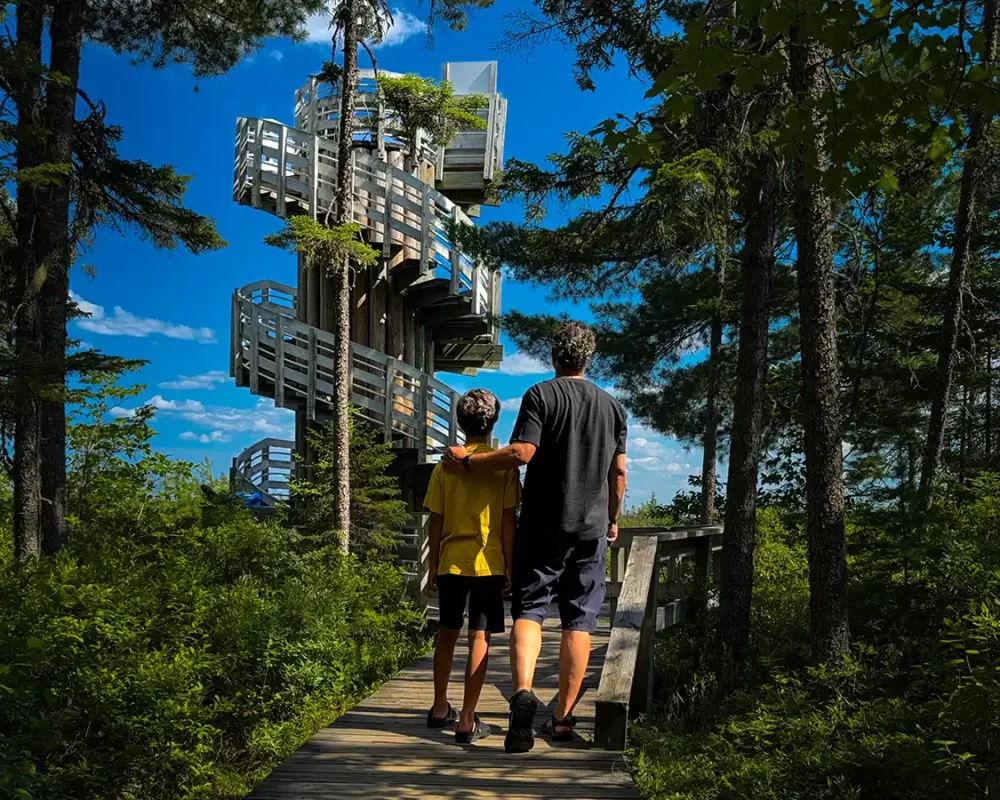
Kouchibouguac is a Royal Astronomical Society of Canada-designated Dark-Sky Preserve on the Northumberland Strait, and one of just two Parks Canada national parks in New Brunswick. It sits just 30 minutes from the town of Bouctouche.
The park pairs its night skies with warm saltwater lagoons, barrier dunes, and some of the gentlest beach swimming in Atlantic Canada. For families, that combination is hard to beat: a full day of beach, then a stargazing party with no competition from the horizon in either the south or the east, looking out toward Prince Edward Island.
Fundy National Park
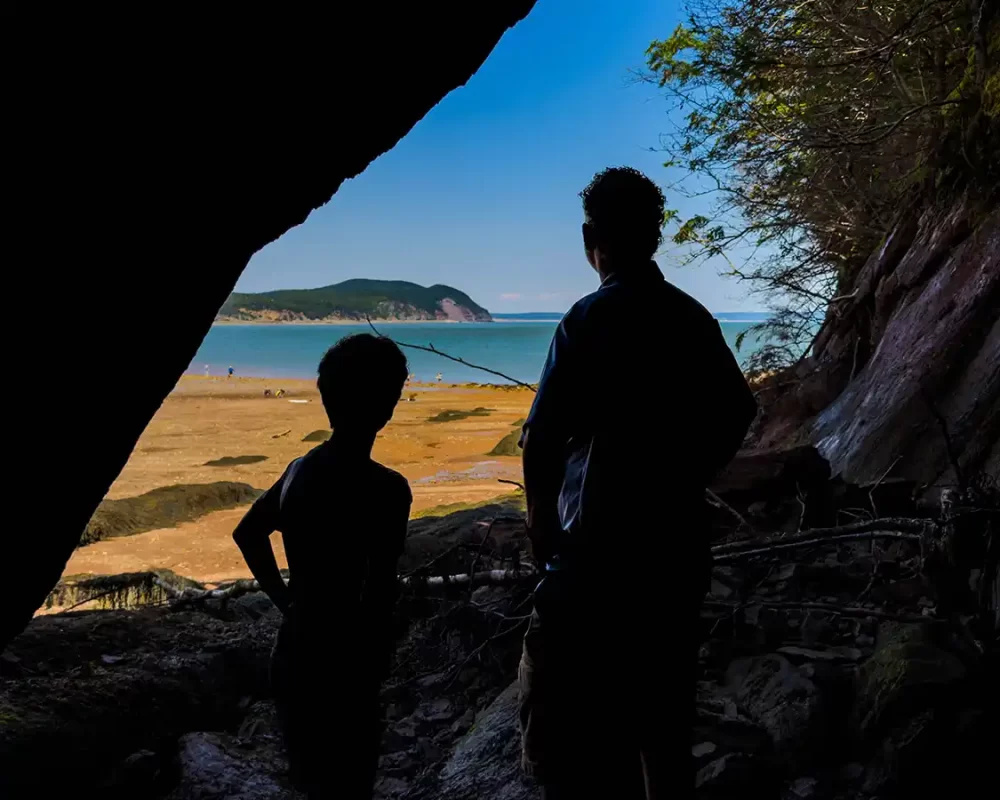
Fundy National Park and its sister town of Alma limit the use of artificial light. Its annual Fundy Star Party is run in partnership with the Royal Astronomical Society of Canada and features a full weekend of workshops, telescope clinics, astrophotography demonstrations, and guided sky viewing for both beginners and serious observers.
Travel here at any time of the year, and on a clear night, the Milky Way is visible to the naked eye from most of the park’s open spaces. Parks Canada runs interpretive astronomy programming through the summer on top of the August event. I wrote a complete guide to the park covering the trails, the campgrounds, the sea caves, and the Dark Sky Preserve programming if you’re interested.
Irving Nature Park
This park on the edge of Saint John is the outlier, and the most useful for anyone short on time but looking to scratch their astrotourism itch. Irving Nature Park is an Urban Star Park roughly fifteen minutes from downtown Saint John. It’s one of only two RASC-designated Urban Star Parks in the country, the other being Cattle Point in Oak Bay, B.C.
Irving Nature Park is the clearest example of the fifteen-minute rule: a legitimate protected night sky on the doorstep of a city of 70,000 people. Pair it with a day in the city using our guide to things to do in Saint John.
Fundy-St. Martins

The village of Fundy-St. Martins is working toward its own certification as an International Dark Sky Community through DarkSky International, which would make it Canada’s second after Bon Accord, Alberta. The process to get that designation involves more than just darkness. It requires the community to commit to shielded, downward-facing lighting and a maximum colour temperature of 3000K, while still allowing for the security and emergency lighting that every safe community needs.
In other words, a whole village is working together to change its lightbulbs and its lifestyle. Sitting at around Bortle 2, it currently offers the darkest community-accessible sky in the Bay of Fundy corridor. With a backdrop of sea caves, red cliffs, and a working fishing harbour to fill the daylight hours.
Fundy Trail Provincial Park, Hopewell Rocks, and New River Beach
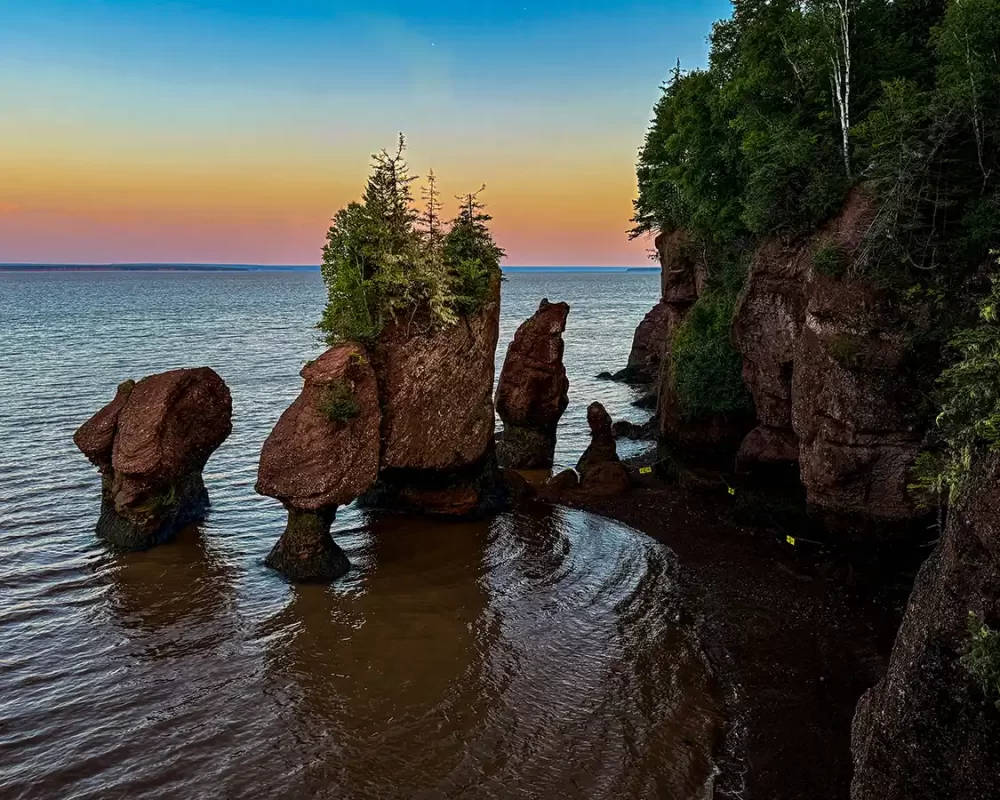
The remaining corridor sites each bring to the table the magnificent variety of southern New Brunswick scenery. Fundy Trail Provincial Park is a clifftop parkway with lookouts and suspension footbridges above the bay, and it remains one of my favourite drives in the country. Hopewell Rocks offers the surreal option of stargazing on an ocean floor that will be under 15 m (50 ft) of water by morning, paired with some of the most iconic rock formations in the country. New River Beach Provincial Park offers a sandy beach and a low southern horizon.
If you are working Hopewell Rocks Provincial Park into a New Brunswick stargazing trip, my full guide to the park covers everything to do, including the tide timing.
Northern New Brunswick: The Part Nobody Has Discovered Yet
When I asked Stéphane for the most underrated stargazing region in New Brunswick, he didn’t hesitate.
Northern New Brunswick is only beginning to receive the attention it deserves. The Northeast and Northwest, in particular, offer tremendous potential for future astrotourism development because of their rural character, remote landscapes and exceptional natural darkness.
Stéphane Picard
He named Glazier Lake, near where he grew up, along with the region between Bathurst and Miramichi, and the Acadian Peninsula.
Picard also has a deep passion for the area around Pokeshaw, on the Baie des Chaleurs. Here, the horizon opens north toward Quebec’s Gaspésie, which is the direction you want when the aurora is visible. He calls it one of the best settings in New Brunswick, and in the Maritimes as a whole, for viewing the Northern Lights.
Seeing the Northern Lights in New Brunswick

I’ll be honest, I have not seen the Northern Lights in New Brunswick myself … yet. I have seen it in Iceland, Norway, Finland, over Hudson Bay in Churchill, in the Northwest Territories, and from a campsite on Manitoulin Island, and everything I have learned from those nights works well for New Brunswick. There’s one big difference, though.
New Brunswick sits far enough south that aurora here is a special event rather than a guarantee. You can’t expect to book a week in Bathurst and expect the aurora to shine. The province has two of the three things that matter most in a northern lights destination: darkness and clear skies. But because of how far south the province sits, you’ll need a Kp index of 6.0 to 7.0 or higher to get a good show.
That doesn’t mean that you won’t see the Northern Lights. And I highly recommend that if you visit between late October and late March, you come prepared. Being ready for the aurora means watching space weather forecasts rather than a calendar. It means knowing that the window between roughly 11 p.m. and 3 a.m. is when displays tend to peak. It means accepting that cold, clear nights are your friend. IT also mean having somewhere dark already booked, so that when the forecast spikes at nine in the evening you are twenty minutes from a north-facing shoreline rather than three hours.
If aurora is what you are after, my guide to seeing the Northern Lights in Canada covers the forecasting, the camera settings, and the provinces where the odds are meaningfully better.
The Best Time for Stargazing in New Brunswick
Winter Stargazing
Most people don’t look at winter as a time to camp out till 2 am with their eyes pressed up against a metal tube. But if you want the best night skies in New Brunswick, winter is the right choice. The sun sinks below the horizon by 5 p.m. in late December and early January. This means the sky gets pretty dark by six. If you’ve got kids, this is prime stargazing time.
Winter has an added benefit. No bugs. When Dylan and I were gazing up at the night sky in early August, we spent as much time swatting at mosquitoes as we did looking at the stars. I’ll take the blame for some of that, because we were transiting back from travels in Indonesia and, in my jet lag, I completely forgot to bring bug spray.
The best part about winter stargazing, however, is that cold air is better air. Cold means less atmospheric turbulence and no heat convection. This translates to sharper views through both eyes and telescopes, and a better result for nightscape and astrophotography.
During the winter months, the constellation Orion dominates the sky, and it is the most beginner-friendly constellation. Describe it, and most people can find Orion’s Belt in about four seconds. From there, you get the red-orange giant Betelgeuse, and under a dark sky, the Orion Nebula is visible to the naked eye. Binoculars and telescopes open up iconic views of the Flame, Horsehead, and Witch Head nebulae for anyone wanting a challenge.
And Orion is only the start. Winter brings the Pleiades and Hyades star clusters, Taurus and Gemini, the Rosette Nebula, and Sirius, the brightest star in our sky.
There is something especially memorable about seeing these celestial treasures beneath a crisp winter sky, surrounded by snow and silence. Add a warm hot chocolate, the crunch of snow beneath your boots and perhaps some snowshoeing, skiing or snowmobiling beforehand, and stargazing becomes part of a complete winter experience. Some people even lie back in the snow, make snow angels and simply star-bathe.
Stéphane Picard
Summer Stargazing
Summer has one enormous advantage and one real drawback. The downside is time. In late June and early July, the skies don’t get properly dark until around 11 p.m. In early August, 12-year-old Dylan was already a bit bleary-eyed from a long day of travel before we even got started.
The advantage, though, is that there is no better time to see the Milky Way. In summer, our side of the planet faces the centre of the galaxy, so that nebulous pillar stretches across the sky packed with bright deep-sky objects. Star clusters and nebulae come into range with ordinary binoculars, and under truly dark skies a handful of objects, including the Andromeda Galaxy, are visible with nothing at all.
It is also when school is out, and people take holidays, which is why most visitors will end up here in July regardless of what an astronomer recommends. That’s fine. Just plan for the late start.
The Phases of the Moon
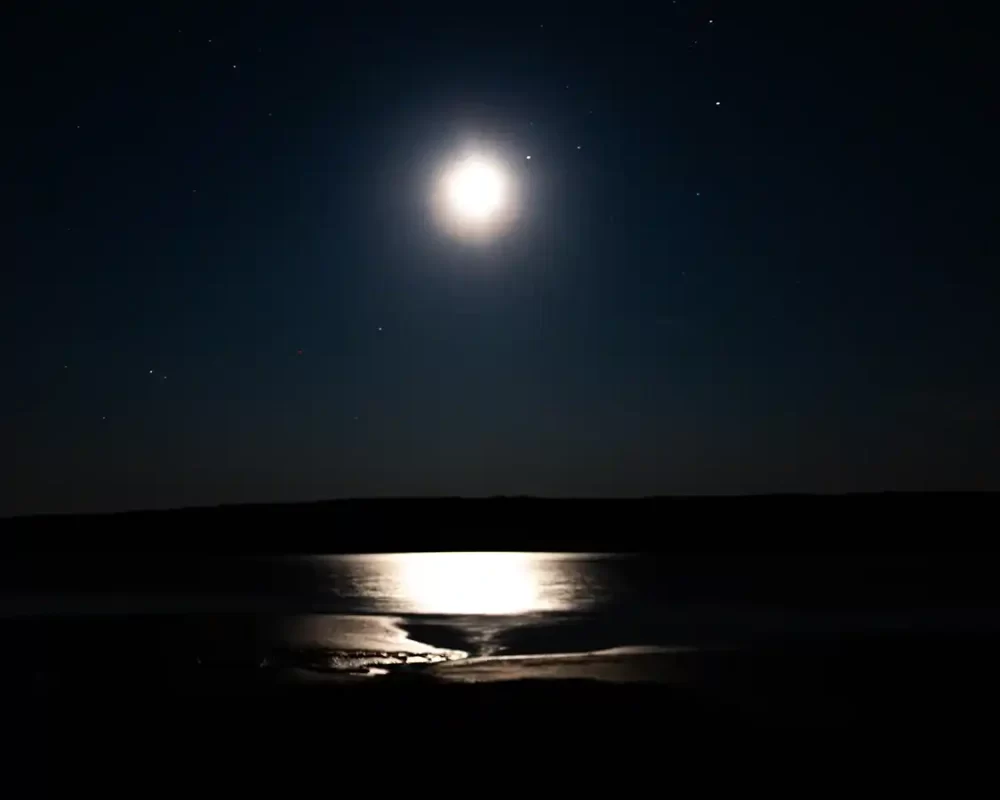
One of the most important stargazing factors, and the one most people forget about, is the phase of the moon. A full or near-full moon is bright enough to overpower the Milky Way, faint auroras, meteor showers, and even some nebulae and galaxies seen through a telescope.
That said, a full moon is not a write-off. The moon was quite bright over the Petitcodiac when we were stargazing near Moncton, but we could still make out the Milky Way, quite a few planets, and we even caught some pretty cool nebulae through Stephane’s telescope. The brightness opens up a whole category of activities that has become increasingly popular in New Brunswick: full moon paddles by kayak, canoe, or paddleboard; full moon hikes; and moonlight yoga.
If your dates are locked and the moon is full, switch the plan rather than cancelling it. The night before, Dylan and I did a moonlight paddle through Hopewell Rocks Provincial Park. I didn’t get much in the way of photos, but it was a night to remember.
Build In a Spare Night
You can plan for the moon, you can plan for the season, but you can’t plan for the weather. Cloud cover can make a good stargazing party a wash, and the Maritimes have one other weather factor they can throw at you.
The Fundy fog.
I’d love to say that there’s a workaround. But the best way to deal with weather is to add a night or two to the trip. Every extra night improves your odds of catching a clear sky. Book accommodation in the rural area where the dark skies are rather than driving out from a city, so that when it does clear at 10 p.m. you are already there.
New Brunswick Star Parties
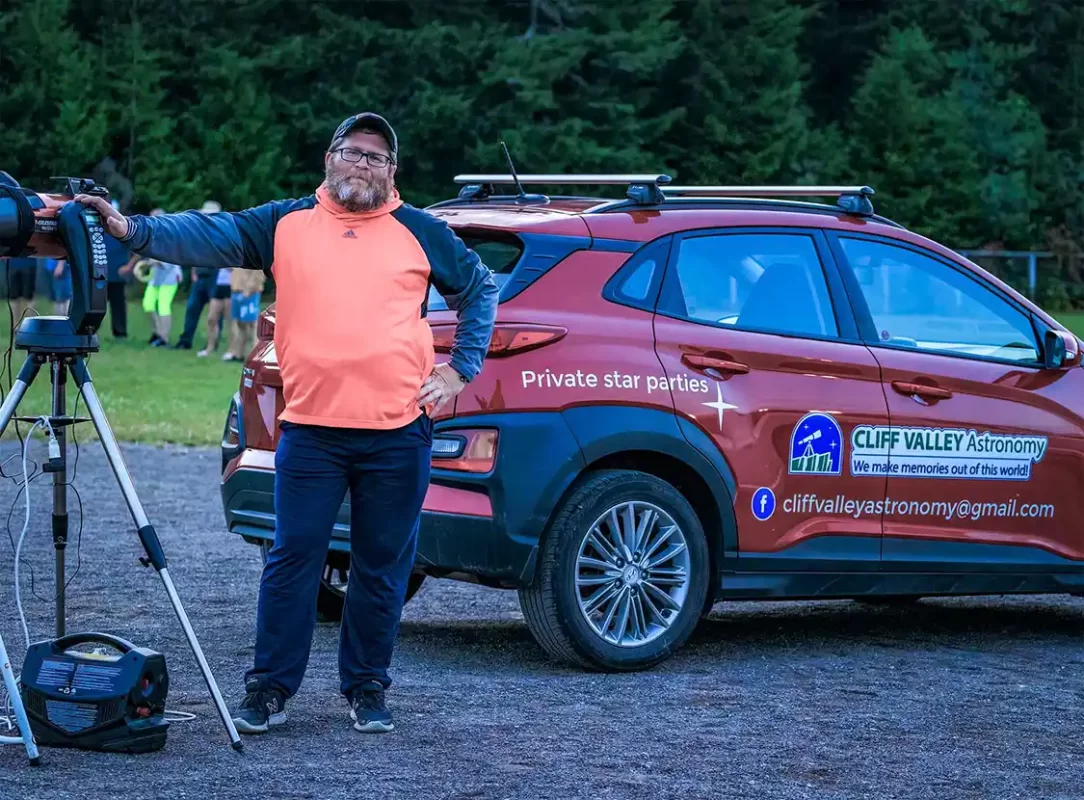
A lot of people look at stargazing and say, “If I can stand in a field for free, what am I paying a guide for?”
The answer is simple. Expertise and orientation. Even if you’re an inexperienced stargazer, you’ll have no issues seeing an incredible sky on a clear night in New Brunswick. But you may not have a clue as to what you’re actually looking at, and you’re very likely to miss the most spectacular parts.
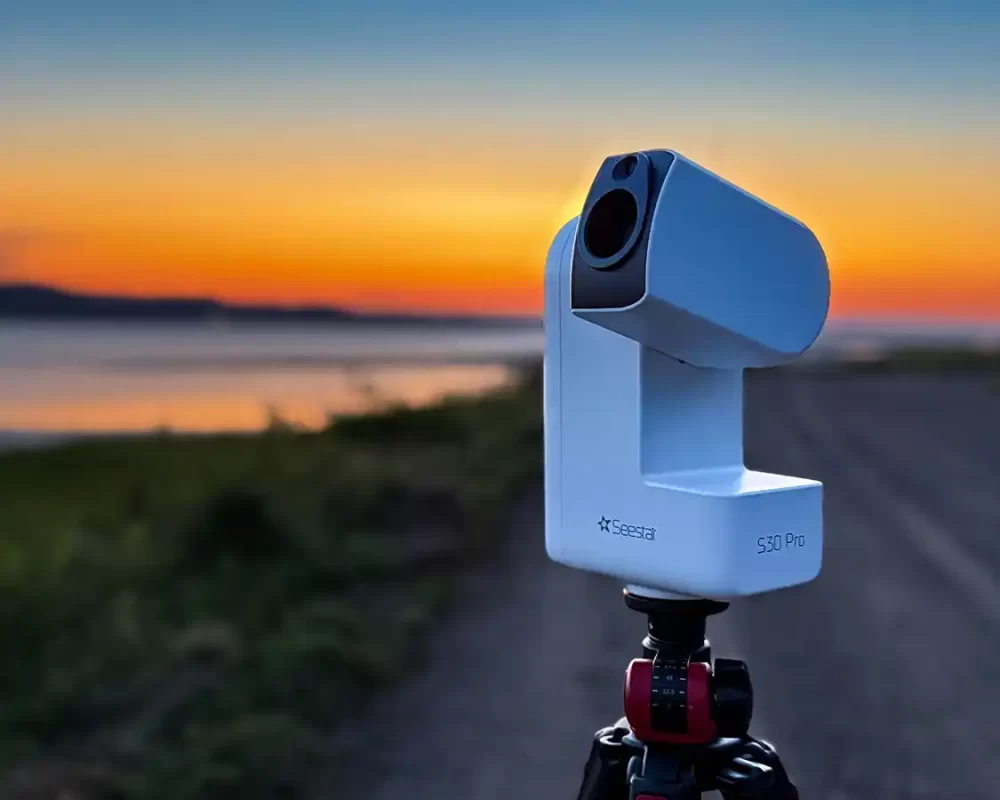
Cliff Valley Astronomy runs local star parties. Each one lasts about two hours and hosts around a dozen people. In most cases, the team brings both a powerful optical telescope and a smart telescope, which pairs traditional eyepiece observing with modern digital imaging.
During that two-hour window, you’re not just seeing the stars; you’re getting a masterclass in the night sky. A powerful laser pointer traces constellations, asterisms, and planets overhead while someone explains how the sky moves and why. Then comes star-hopping, which is the skill that you can take home with you. Using the Big Dipper to find Polaris and the Little Dipper, using Cassiopeia to locate the Andromeda Galaxy, using Orion to reach the rest of the winter sky. Learn that, and you can navigate any dark sky for the rest of your life.
Alongside the stargazing is the science, turning light-years and interstellar distances into something a child can hold in their head, and the human history of how civilizations across the world read and navigated by these same stars for thousands of years before anyone built a telescope.
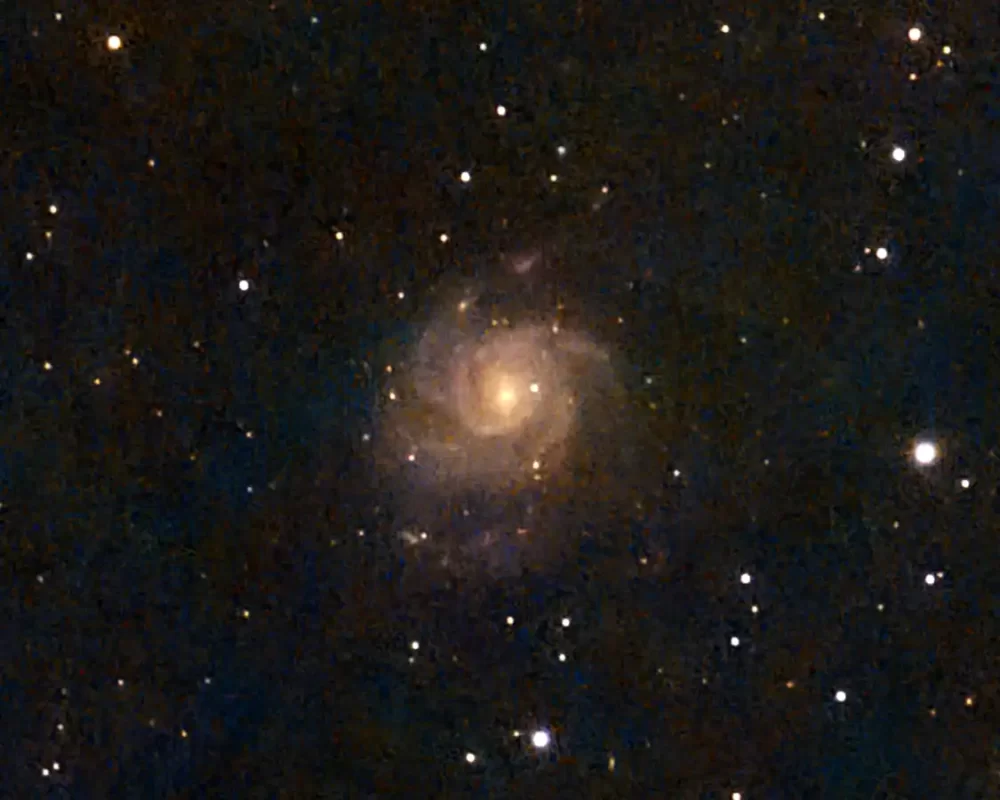
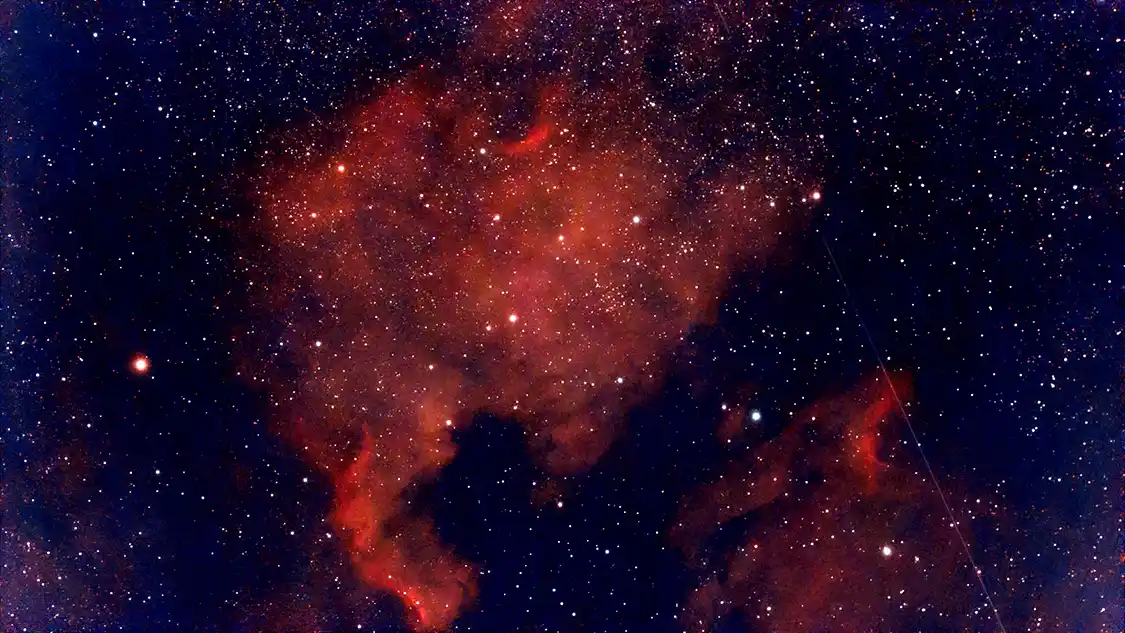
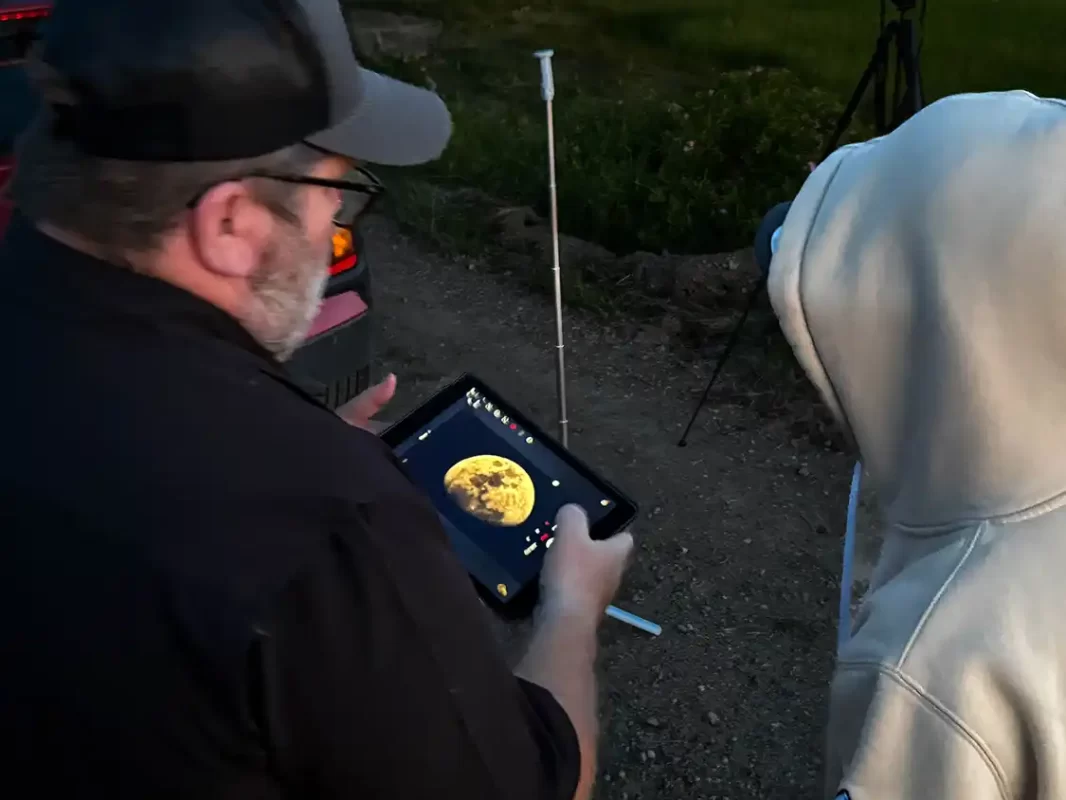
The smart telescopes connect to a phone or tablet and capture images of galaxies, nebulae, and clusters you observe, so families leave with their own pictures rather than someone else’s. But Picard is clear about the hierarchy. There is an aspect of seeing something with your own eyes, rather than on a screen, that creates awe in people.
If a guided experience isn’t in your budget, connect with local astronomy clubs. They often run free public star parties through the season and post their schedules on their own websites and social channels.
What to Bring on a Stargazing Adventure in New Brunswick
The mistake most people make when planning out a night of stargazing doesn’t involve gear. It involves pace.
My biggest advice is don’t let frustration set in, especially if they are doing their first experience by themselves. Stargazing and celestial events are not typically fast-paced activities. Even astronomers don’t rush their nights out.
Stéphane Picard
Your eyes need 20 to 30 minutes to fully adapt to darkness, and one glance at a phone screen or a flashlight resets the clock. Most first-timers give up before their vision has even finished arriving. The longer you stay out, the more the sky reveals, and that is not a figure of speech. It is how human night vision physically works.
The Short Packing List
- Binoculars, not a telescope. An ordinary pair reveals dozens of objects: star clusters, lunar craters, brighter nebulae, and some galaxies. Families do not need to own a telescope to have an extraordinary night.
- A dim red flashlight. Red light preserves the night vision you spent half an hour building. White light destroys it instantly. This is the single highest-value item on the list, and it is the one piece of advice I have put in every article I have ever written about night skies. Stéphane gave me the same line unprompted, which is how you know it is not folklore.
- A night sky app. Free or inexpensive apps like Stellarium or SkyPortal turn a phone into a guide. Use night mode and keep the brightness at the floor.
- Reclining chairs and blankets. Craning your neck upward for two hours is its own form of punishment. Folding camp chairs that lean back change the whole experience.
- More layers than you think. Picard’s golden rule: dress as if it were 10 degrees colder than it actually is. You generate almost no body heat standing still, and temperatures drop fast after sunset even in July.
- Insect repellent, depending on the season and site. New Brunswick in July is a forest province and the bugs know it.
- Warm drinks, snacks, and a kids’ astronomy guide. A thermos is the difference between a family that stays out for two hours and one that leaves after twenty minutes.
Before you travel, check three things: the moon phase, the weather forecast, and whether any major celestial events fall inside your dates. Meteor showers, eclipses, and planetary alignments are all predictable years in advance, and building a trip around one costs nothing extra.
Head to New Brunswick and Look Up
The thing that stays with me about that night on the Petitcodiac is not seeing the rings of Saturn, although Saturn through a proper telescope is an astounding sight. It is the counting.
Dylan and I started counting because it seemed like a thing to do while our eyes adjusted. Six stars, then nine, then fifteen. Then the sky kept filling in faster than either of us could keep up with, and at some point Dylan just stopped, because there was no longer any point; we couldn’t keep up.
That’s when it clicks. The realization of just how big the universe is. I’ve only seen that kind of awe in my kids’ faces a handful of times across the fifty-odd countries in which I’ve travelled with them. A dark sky does it every time, and it does it for free.
I have flown to the Arctic for that feeling. I have driven the better part of a day to reach a dark sky preserve in Ontario. Those trips were worth every hour. But the thing that keeps nagging at me about New Brunswick is that I didn’t need to. We drove fifteen minutes out of the province’s largest city and got it anyway.
New Brunswick has spent the last few years turning that accessibility into something stargazers can plan around. The darkness was always there. Somebody just had to show people that it was worth protecting. Then he mapped it, connected the lodges, trained the guides, and convinced a village to change its lightbulbs.
Give New Brunswick a clear night. Give it the twenty minutes it takes for your eyes to need. Then look up and find out what you have been missing from your own backyard. And make sure to thank Stéphane Picard.
Planning a wider trip? Start with the best places to visit in New Brunswick, and grab a few fun facts about New Brunswick to get the kids invested before you go.
Have you seen a New Brunswick sky at its best? Tell us where you were standing in the comments. We are building a list.
You May Also Like To Read: